How to Keep Bathroom Mold from Coming Back
Bathroom mold is a frustrating problem that tends to return no matter how often you scrub it away. The root causes are almost always moisture, poor ventilation, and porous surfaces that trap dampness. A lasting fix requires more than bleach and a sponge. You need a systematic approach that addresses why the mold keeps growing. This article walks through a practical set of checks that help you stop recurring bathroom mold for good.
Check Your Ventilation First
Ventilation is the single most important factor in bathroom mold control. After a hot shower, the room fills with steam. If that moisture has no way out, it settles on every surface and provides the perfect environment for mold spores to germinate. Start by checking whether your exhaust fan actually moves air. Hold a piece of tissue paper near the vent while the fan runs. If the tissue doesn't pull toward the grille, the fan is either underpowered, clogged with dust, or ducted improperly. A working fan should create a noticeable draft.
Even a strong fan is useless if it runs for only a few minutes. Let the fan run for at least twenty minutes after the last person showers. Many modern fans come with a timer or a humidity sensor that keeps them on until the air dries out. If your fan lacks that feature, consider upgrading or adding a simple countdown timer switch. For bathrooms without any mechanical ventilation, a window left open a few inches during and after bathing makes a real difference. Cross-ventilation from a second window or a gap under the door also helps.
Dry Surfaces Deliberately
Mold needs sustained moisture to thrive. If you can keep surfaces dry for a few hours after each shower, spores have a much harder time establishing a colony. The easiest habit to adopt is squeegeeing the shower walls and door after every use. It takes about thirty seconds and removes most of the water that would otherwise sit on tile and glass. Follow up with a dry towel to wipe down the corners where water collects, especially around the base of the shower and along the bottom edge of the door.
Pay attention to the shower curtain or door. Fabric curtains should be spread out after a shower so they dry fully instead of staying bunched up and damp. Glass doors with metal tracks are notorious for holding water. Wipe the track dry with an old cloth or a paper towel. If you notice water pooling in the corner of the shower tray, check whether the tray slopes slightly toward the drain. A small slope issue can keep a puddle standing for hours, and that puddle will become a mold nursery.
Look for Hidden Leaks and Moisture Sources
Visible mold on the grout or caulk is often a symptom of a deeper problem. A slow leak under the sink, behind the toilet, or inside the wall can keep the surrounding materials damp indefinitely. Check under the sink for any signs of water on the cabinet floor or on the pipes themselves. Feel the caulk around the tub and shower for soft spots that could indicate trapped moisture. If the caulk is cracked or peeling, water can seep behind it and stay there for weeks.
Toilets sometimes develop a tiny leak at the base that goes unnoticed because the water evaporates before it pools. Place a few dry paper towels around the base of the toilet and check them after an hour. If they feel damp, the wax ring or the supply line may need attention. Similarly, check the grout around the shower floor. Grout is porous and can wick water from the shower pan into the wall if the seal is broken. Any grout that looks darker than the surrounding area is likely holding moisture. That spot is a prime candidate for mold growth behind the tile.
Examine the Caulk and Grout
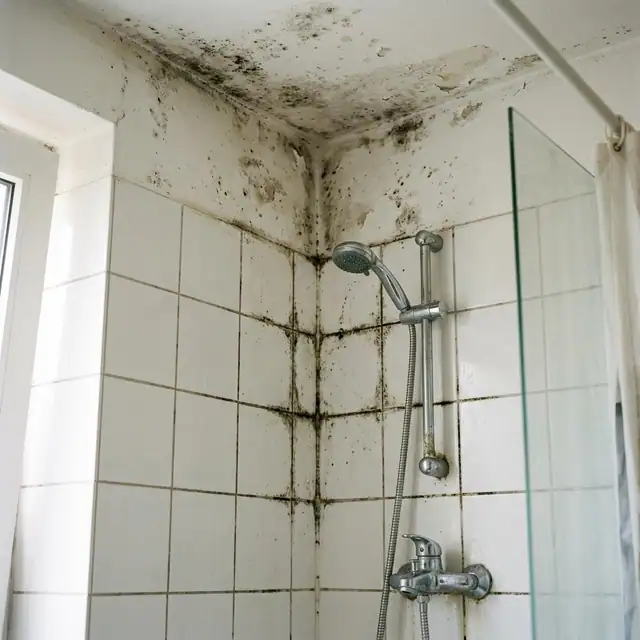
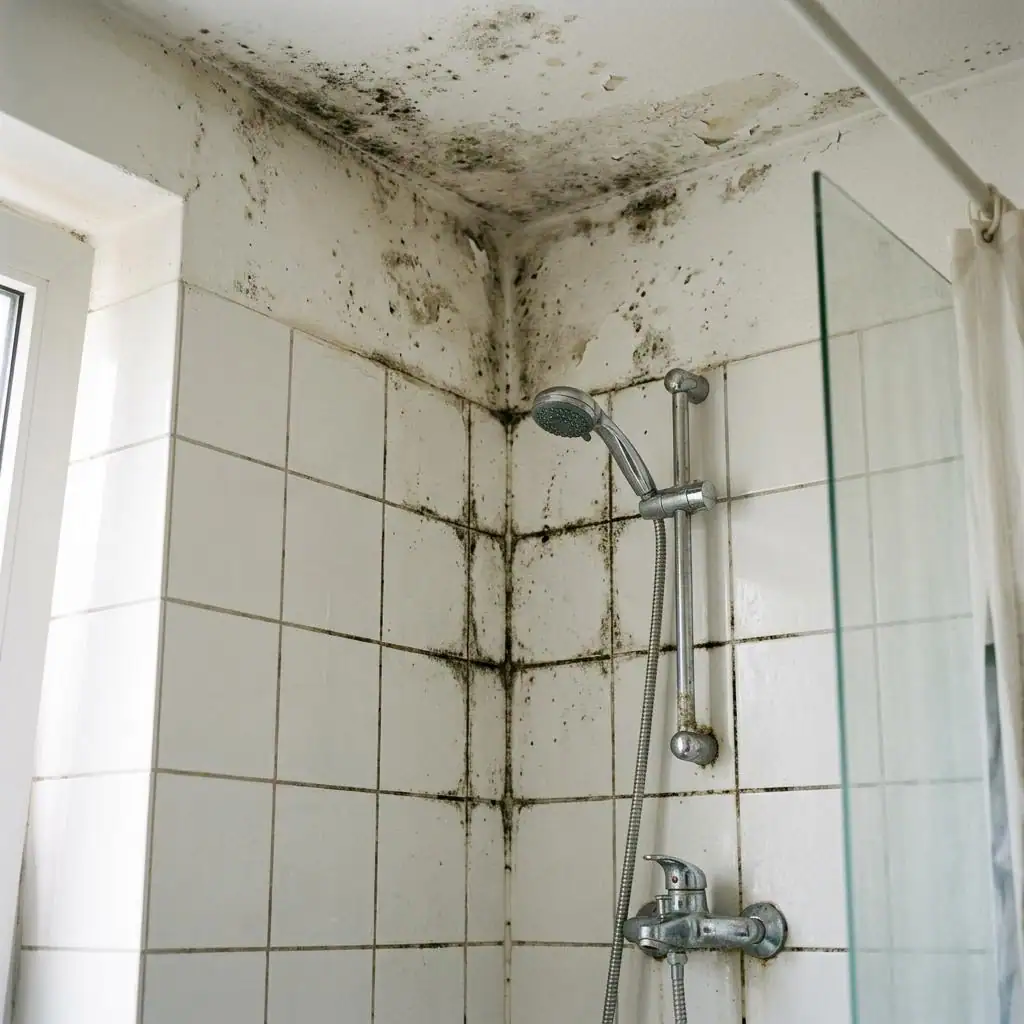
Caulk and grout are the most common places for bathroom mold to reappear because they are porous and often stay damp. Over time, caulk shrinks and pulls away from the tile or tub, creating small gaps that trap water and organic debris. Once mold takes hold in those gaps, surface cleaning alone will not remove it. The only real fix is to cut out the old caulk, dry the area thoroughly, and apply fresh 100 percent silicone caulk. Silicone is more resistant to mold than acrylic caulk, though it is harder to apply smoothly.
Grout, especially on shower floors, should be sealed every year or two with a grout sealer. Unsealed grout absorbs water like a sponge and can stay damp for hours after a shower. If the grout is already dark with mold, a thorough scrubbing with a stiff brush and a hydrogen peroxide-based cleaner can lighten it, but the seal is probably gone. In that case, regrouting or applying a new sealer is the only way to stop the mold from returning. For stubborn cases, consider replacing the grout with an epoxy-based product that resists moisture much better than traditional cement grout.
Check Your Showerhead and Curtain Rod
Two often-overlooked spots are the showerhead and the curtain rod. The showerhead itself can harbor mold inside the head, especially if it has a water-saving flow restrictor that leaves a small pool of water inside after each use. Remove the showerhead once a month and soak it in a solution of white vinegar and water for an hour. That kills any mold inside and also removes mineral deposits that can trap moisture. The curtain rod, particularly if it is a tension rod, can collect water where it meets the wall. Wipe that joint dry after each shower, or replace a telescoping rod with a fixed rod that has a slight downward slope so water runs away.
Address the Humidity Level in the Room
Even with good ventilation, a bathroom that stays humid for hours will grow mold. A small dehumidifier placed in the bathroom can make a big difference, especially if the bathroom is on a lower floor or lacks a window. These units pull moisture from the air and collect it in a reservoir that you empty every few days. Alternatively, a moisture-absorbing product like a calcium chloride bucket works well in a small space. The key is to keep the relative humidity below 50 percent for most of the day. You can buy a simple hygrometer for a few dollars to monitor the level.
If the bathroom shares a wall with a laundry room or a damp basement, moisture can migrate through the wall and keep the bathroom humid even when no one has showered. In that case, sealing the wall with a vapor barrier paint or adding a fan to circulate air can help. The goal is to make sure the bathroom dries out completely between uses. If it never fully dries, you are fighting a losing battle.
For persistent mold problems that resist these DIY measures, professional help can make sense. A service like Mold Removal Boston Pros can assess the full picture, from ventilation to hidden moisture to damaged materials. They look beyond the visible mold and identify the conditions that let it keep growing. That kind of thorough evaluation often catches issues that a homeowner might miss, such as a slow leak inside a wall or a ventilation duct that was never connected properly. Once the underlying causes are fixed, the mold stops coming back.
Build a Simple Routine
The checklist approach works best when you turn it into a consistent habit. After every shower, do a thirty-second wipe-down of the walls and curtain. Once a week, check the caulk and grout for any dark spots or cracks. Once a month, clean the showerhead and check under the sink for leaks. Once a season, inspect the exhaust fan and clean the grille. A simple routine prevents small problems from becoming major mold issues. It also saves you time in the long run because you spend less effort scrubbing away established growth.
If you notice mold returning in the same spot despite your best efforts, do not just scrub it again. Stop and figure out why that spot stays damp. Is it a leak? Is the caulk failing? Is the fan not reaching that corner? Address the moisture source directly. Surface cleaning without fixing the root cause is like mopping the floor while the sink is still running. The mold will always win that game.
Mold Removal Boston Pros can help when the problem goes beyond what a homeowner can fix alone. They specialize in remediation that targets both the visible growth and the hidden moisture that feeds it. Their approach covers ventilation, material damage, and the specific conditions of your bathroom. For anyone who has tried everything and still sees mold creeping back, that kind of expert intervention can be the final piece of the puzzle.
Keep the Room Cooler
A hot bathroom after a shower holds more moisture in the air than a cooler one. If you keep the bathroom door open while you shower, the steam disperses into a larger area and the room stays cooler overall. That reduces condensation on surfaces. If privacy is a concern, run the fan at full speed and crack the door a few inches. The difference in moisture load is noticeable after just a few showers. A cooler room also means the walls and mirror stay drier, which cuts down on the surface moisture that mold needs.
One more simple trick is to leave the bathroom light on after a shower, especially if the light fixture gives off a little heat. The warmth helps dry the room faster. Combine that with the fan running and the door open, and you create a drying cycle that makes it much harder for mold to settle in. These small adjustments add up to a bathroom that stays mold-free for months rather than weeks.